The new decade started with good publicity for Powles. In January 1980, Powles exhibited its first Powles Super 38, “Marlin of Hamble” at the London Boat Show – this was bought by Motor Boat and Yachting as the magazine’s “flagship” in British and European waters. Its first major cruise was a “round Britain” trip in May and June 1980, to meet and greet its readers.
The 1980 London Boat Show also displayed the latest full export model of the Powles 53. At this time, they were completing sea trials on “Helga”, a £185,000 Powles 53 from its South Quay base in Great Yarmouth. Powered by two 550hp diesel engines, the interior was completely custom built with extensive electronic gear and amenities which included a hip bath, steam bath and washing machine. The German owner wanted something traditionally British, so the craft was fitted out in leather in Chesterfield style, with deep buttons and dark polished mahogany.
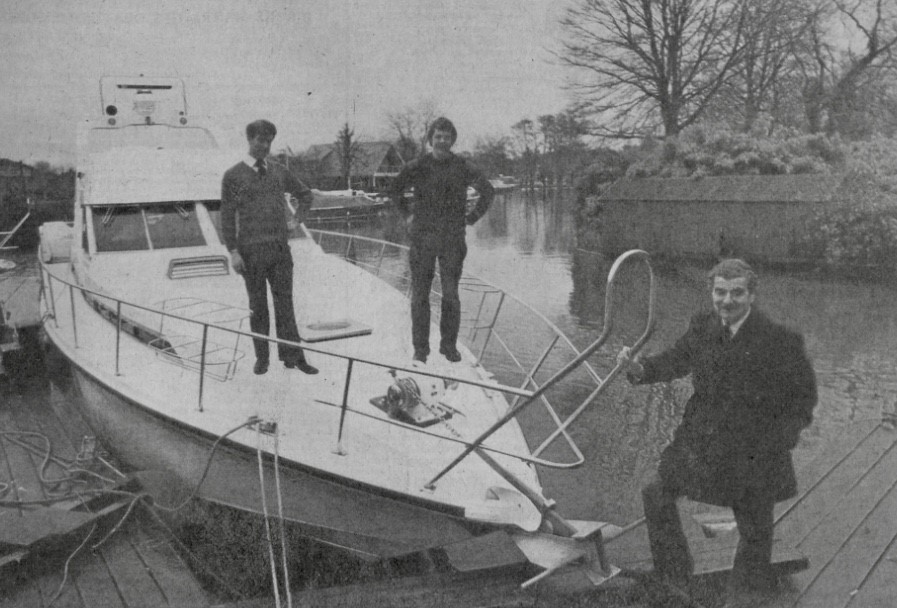
“Helga” is just one example of the changed pattern in the Powles order book at this time – another was the Powles 75 – a new model contracted to be built in July 1980 for an arab oil sheikh, Sheik Al Nasseral Sahah, the son of the ruler of Kuwait. The “Dahey II” cost in excess of £300,000 and was the first time that a Powles craft was to be fitted with the ultimate direction finder at the time, a satellite navigator.

Despite this apparently rosy picture of a booming, bespoke business, by 1980 exports were being affected by the combination of the relatively high inflation rate in the UK and the strong pound. At the same time, both UK and western European markets for pleasure craft seriously weakened, as the economic recession bit. Both factors put massive pressure on both output and margins for a small company like Jack Powles International Marine, which prided itself on tailoring craft to individual requirements. Its marketing capabilities and network of distributors was also limited – Leslie Trafford could see that to thrive, Powles International needed to collaborate with a larger partner or sell out.
Leslie would have been well aware of a successful partnership that had commenced in the last major recession, during the 1973 Middle East fuel crisis. Well known yacht builders, A.H. Moody & Son Limited, based on the River Hamble at Swanwick, not only built the Moody range of yachts, but since the late 1960’s, had been one of the select selling agents for Marine Projects (Plymouth) Limited. That company were early pioneers in producing good value GRP boats, from moulding through to fitting out, and manufactured the Princess range of motor boats.
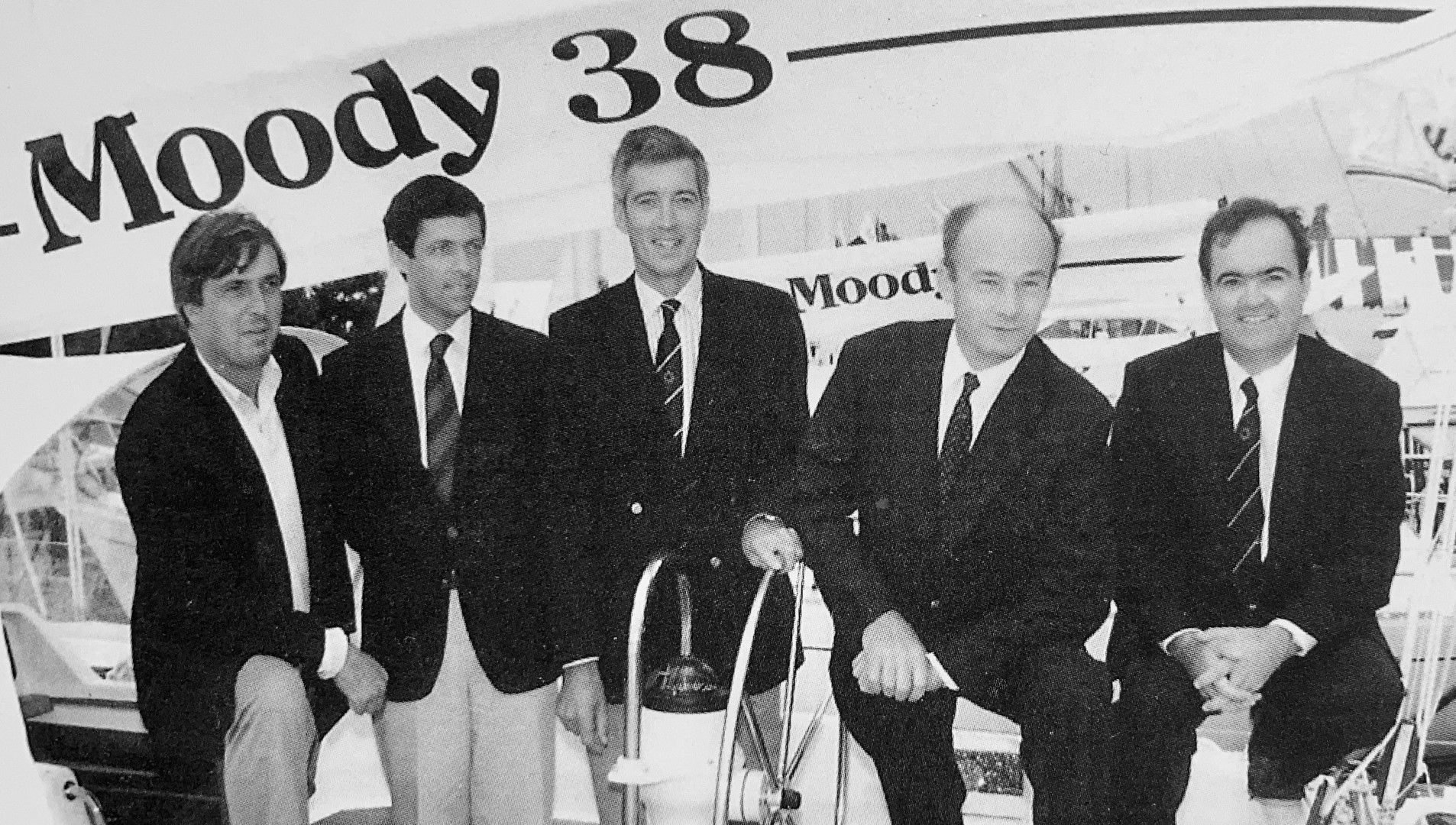
In 1973, Moody and Marine Projects started to collaborate on a joint development programme to produce a range of Moody yachts using the same philosophy as Marine Projects had used to manufacture their Princess motor boats at volume. This collaboration proved incredibly successful for both companies, and at its peak, nearly 400 sailing yachts were being produced each year. Moody’s received the Queen’s Award for Industry in 1978 for Export Achievement – just a year before Powles received the same accolade.

On 4th July 1980, Powles International announced that it had agreed terms for an association with the Renwick Group, which owned AH Moody and Marine Projects, to boost their sales and production. Leslie Trafford said that Powles would now be attacking the world market backed by the financial muscle that small concerns could not muster – the markets were identified by him as being “wherever there is water”. He emphasised that Marine Projects and Powles would preserve their separate identities and independence, whilst sharing resources – “the financial, technical and production resources now available will enable Powles to proceed with a new sales and marketing operation, which will be added on to the existing distribution network”. He declared that the production capability of the new partners would enable Powles’ Wroxham workforce to concentrate on the larger craft in the range, whist increasing the output of the smaller craft, particularly for the export market.
It was positioned by Trafford in the Norfolk press as “an association”, with Renwick becoming shareholders in Powles and Trafford in Renwick, but the reality appears somewhat different – according to the Financial Times, Trafford had sold Powles International Marine and its Offshore Yachts subsidiary for £450,000.
At this time, Powles started to offer a sports version of the Powles 53, called the Powles Sportsman. This was offered with two General Motors engines of 2×425 s.h.p. at 2300 rpm max. it is unknown how many of this variant were built.

As the recession continued, inevitable changes soon followed – in August 1981, it was announced that Powles International would transfer its headquarters, marketing and production to the South Coast – to the Moody’s yard at Shore Road, Swanwick.
Ken Thompson, Powles’ General Manager in Wroxham, stated that the decision to move had been forced upon the company by the unsuitability of the existing production facilities for the construction of the newly introduced larger vessels, in particular the low bridges between the Wroxham yard and the sea, meaning that they could only build the boats to deck level – the remainder of the assembly had to be carried out down river, creating cost penalties. At the same time, competition was pushing them up market into even bigger vessels.

The 50 strong work force were faced with relocation to Swanwick; a possible transfer to the hire boat side of the business, or redundancy. Trafford tried to put a positive spin on the news, saying that he was itching to move into the boatsheds being vacated in Wroxham, which would be used for the manufacture, maintenance and storage of the enlarged hire fleet. To support that vision, planning permission was sought for a massive new boat basin in the Staitheway Road boatyard, in place of some of the original boatsheds used by Ernest Collins.
However, by the end of 1981, Leslie Trafford’s vision of operating that expanded hire boat business in the old International boatyard had evaporated – the entire Powles boatyard in Wroxham was sold by him to the Henly Group, who were well known at the time for their car dealerships and other interests in the motor vehicle industry. In addition to the premises on both sides of the river, Henly also acquired the entire hire fleet of Jack Powles, Ernest Collins and older craft from the Moore & Co fleet – 160 craft in total.

Under the local management of David Keable, one of Powles’ former Directors, Henly Group would trade under the Jack Powles and Ernest Collins brands through the Ernest Collins (and Sons) Limited subsidiary that they had acquired from Leslie Trafford.
Henly Group would operate their massive fleet from the existing Riverside Road and Staitheway Road yards – the latter to include the massive, brand new boat basin, for the largest Jack Powles hire cruisers, that was built in late 1981 through to early 1982.

Leslie Trafford would continue to run the remaining hire boats in his ownership under their Moore & Co brand from the former Windboats boatshed and basin in Grange Walk, Wroxham. The separate business of Windboats Limited still retained a boatbuilding shed in Grange Walk for the fitting out of new Oyster Yachts.
Leslie invested part of his sale proceeds in new craft for the Moore & Co fleet, including moulds of the Princess 30DS from Marine Projects, plus the acquisition of 27 cabin cruisers and part of the premises used by J Loynes and Son Limited in Wroxham. It is believed that he had long wanted to acquire all the land south of Wroxham bridge to build a holiday complex, and although Len Funnell did not sell him the land immediately below the bridge, where the Loynes boatyard was based, he did sell him the boatbuilding shed on the adjacent riverbank in February 1984. With this additional land, accessible from Staitheway Road and Grange Walk, Leslie was subsequently able to build 28 luxury self catering cottages, known as “the Peninsula” on the riverside in Wroxham. This project involved filling in the original dyke entrance to the old Windboats basin, now being used by Leslie’s modernised Moore & Co hire fleet, and creating a new entrance further down river.

Leslie also used two remaining Powles 37 moulds to build Kerrymore 1 and 2 in the Moore & Co boatyard in 1983. These were the last two hire boats ever built in the classic Powles centre cockpit cruiser design usually used for 42 feet craft, but adapted here for 37 feet. Their red sections of glassfibre were unusual and distinctive at the time, and did not meet with Leslie’s approval, when he first saw them!

In 1982, the Powles 46, 48, 50 and 53 were being marketed by Renwick Group under the combined brands of Powles + Moody, under the strapline of “the best of both worlds – designed by Powles, built by A.H Moody & Son Limited”.

The Powles 48 was a shortened version of the Powles 53 design and hull. Just four of the Powles 48 were built.

The Powles 50 was another sleek, modern design of Bernard Olesinski. Despite promotion by AH Moody, only five of these were built.

Renwick’s other subsidiary, Marine Projects, produced just a few Powles Super 38s, and promotion and production of these were soon discontinued.
By this time, Offshore Yachts had ceased trading, and the mould for the popular Nantucket Clipper was taken over by Fairweather Marine Limited in Southampton in December 1982, with a plan to to re-commence production in 1983 . However, this venture suffered a major setback when a fire at their works destroyed a number of the moulds.
By November 1983, the range on offer from “Powles by Moody” was just the Powles 46 Aft cockpit and variant the 462 with aft cabin; the Powles 48 aft cockpit; Powles 50; and the Powles 53 variant, the 532. Sports Boat versions were also available in various lengths.
It seems apparent that Renwick Group only saw value in the designs of Bernard Olesinski and the moulds Powles had built from them; and not the Powles brand itself, and it is therefore no surprise that their existing brand, Princess Yachts, was able to pick up where Powles left off. The legacy from Olesinki’s designs for Powles are reflected in the later models produced by Princess, which continue to this day make them a very successful business.

Back in Norfolk on the Broads, the Henly Group did not achieve their predicted return on capital, in difficult trading conditions, and on 1st August 1984, sold the Powles and Collins hire fleet to Herbert Woods Group plc, under the chairmanship of Laurence Dale, a well known figure in the Broads hire industry for many years. David Keable, who had been general manager at Powles for many years, moved to head office at Potter Heigham and Derek James, who had been with Powles for over 30 years, took over as Manager. Within a year, the combined fleets of Jack Powles, Ernest Collins, Herbert Woods, Southgates, and Heart Cruisers were trading under the name of “Pennant Holidays”, independent of Blakes and Hoseasons.
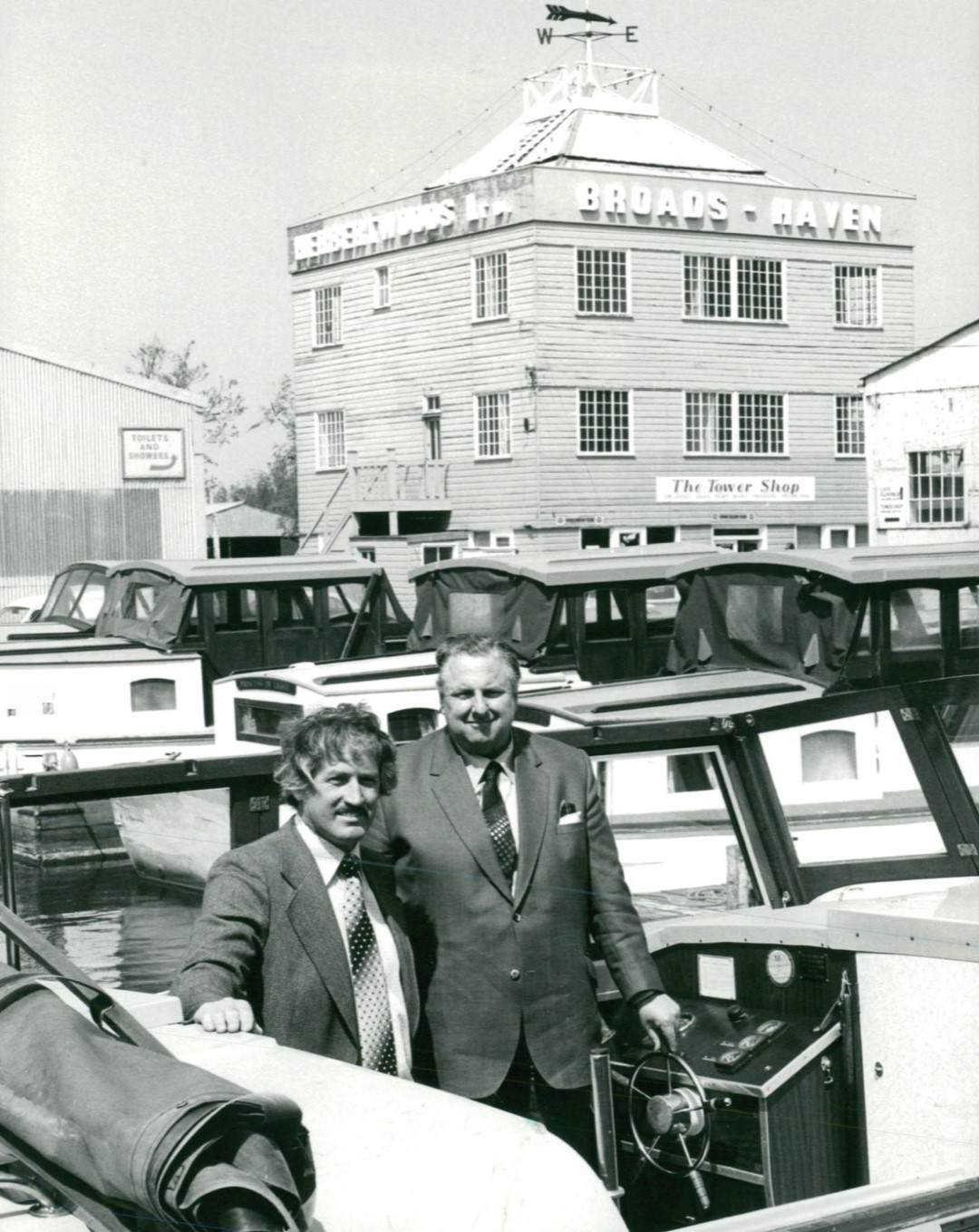
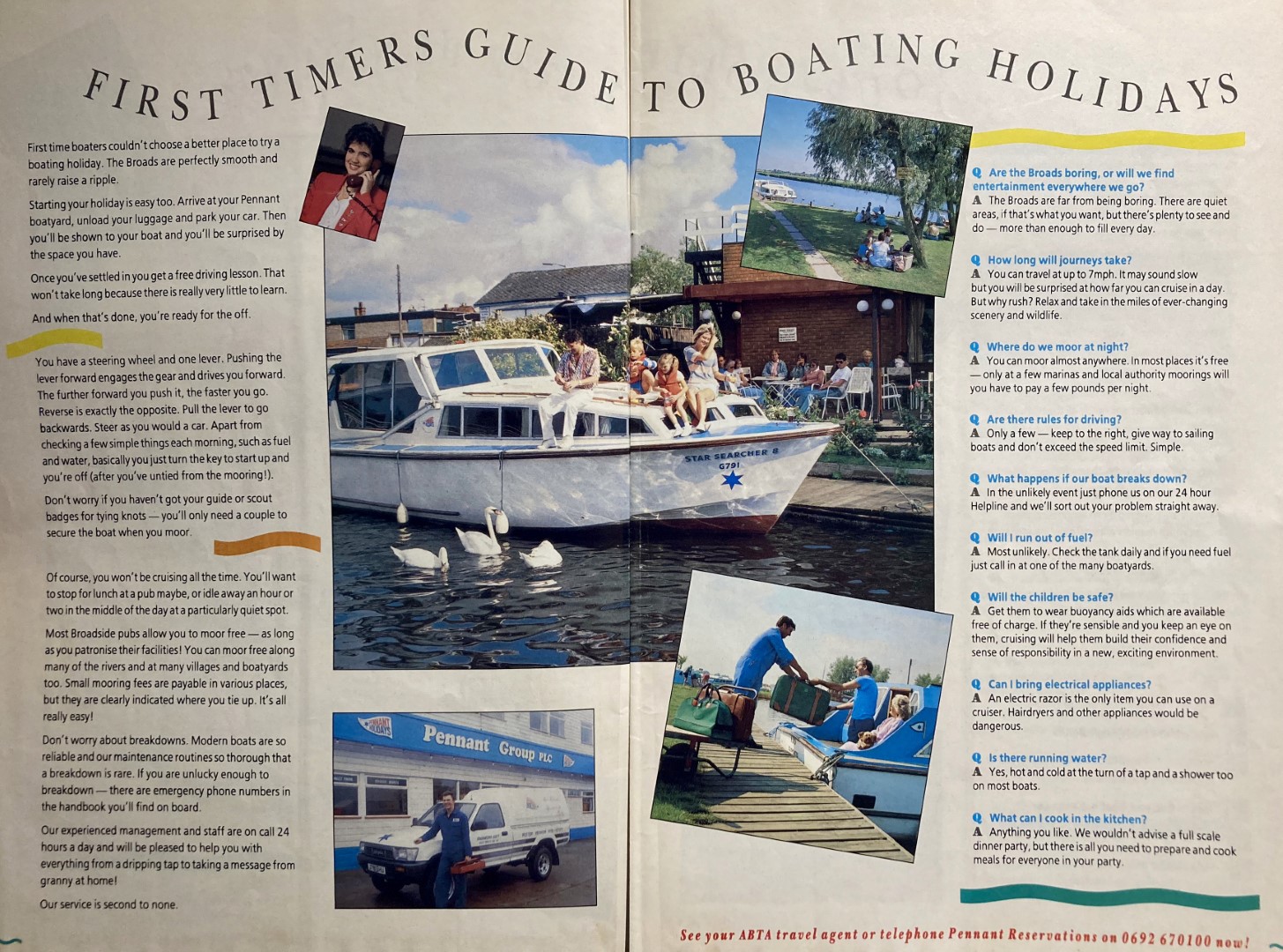
With an aging fleet of hire craft in a declining market, the company, now part of Pennant Group plc, got into financial difficulty and they were bought out by the Mowat Group plc in January 1991. Mike Massey took on the role of Boating Director. Retaining the separate Pennant Holidays brand, Mowat boasted of investing over half a million pounds in new craft, but needed to a way to pay for this.
At this time, George Smith & Sons Limited successfully manufactured a new design of broads cruisers known as “Sheerline” from its Hoveton boatyard, and some of its older hire craft had already been sold into the Powles fleet. Duncan Prophet, who controlled and managed this business was under pressure to move to more environmentally suitable premises, and as result, agreed to buy the four and a half acre Powles site at the bottom of Staitheway Road from Mowat.
Originally George Smith & Co intended to develop part of this site under a joint venture arrangement but this fell through, resulting in Smiths completing the purchase of the site for £1.3 million on its own. To help make this deal viable, Smiths arranged to manufacture a fleet of Sheerline Cruisers for Pennant Group plc over a three year period, with a matching value of £1.3 million.
The deal went through, and the Powles and Collins fleet had to vacate their historic Wroxham base and then squeeze into the Herbert Woods base in Potter Heigham. George Smith & Co moved into the old boatbuilding sheds of Powles and delivered new craft in 1991 and early 1992, but Mowat plc and its subsidiary Pennant were already in financial difficulty. Mowat Group tumbled into receivership, leading to the termination of the order from Pennant, and the ultimate demise of Pennant Holidays.
This placed Smiths into financial crisis, which resulted in redundancies, a materially reduced manufacturing programme and illiquidity.
Unable to secure further outside investment, and keen to maintain the successful Sheerline brand, the directors of Smiths entered an agreement with Priory Marine Limited to sell boats and pay Smiths royalties, subject to a minimum number of boats being sold each year. After just one year Smiths terminated the agreement and took action for damages, as minimum sales had not been achieved.

Still battling to stay afloat, on 26th August 1984, Smiths entered into a joint venture with Northern and Southern Estates Limited to develop 2 acres of the old Powles site as residential property. The old Jack Powles International Marine buildings, offices and part of the boatyard was sold to the joint venture company, Offerdecor Limited for a deferred consideration of £550,000, due in late 1996 – the enormous Powles boatsheds that for so long had been a landmark on the south side of the river in Wroxham were totally demolished. What had once been a thriving boat yard complex had now been carved up, with new designer houses overlooking the river, but also, perhaps as an unforeseen consequence, blighting the remaining boat basin underneath from ever being able to be used for hire boat commercial purposes again.
George Smith & Sons Limited tried to carry on with the re-named “SmithPowles marina” and their boatbuilding activities in the last remaining boatshed on the site but by August 1995, they too were in administration, and the marina, and Sheerline boat moulds were soon up for sale.
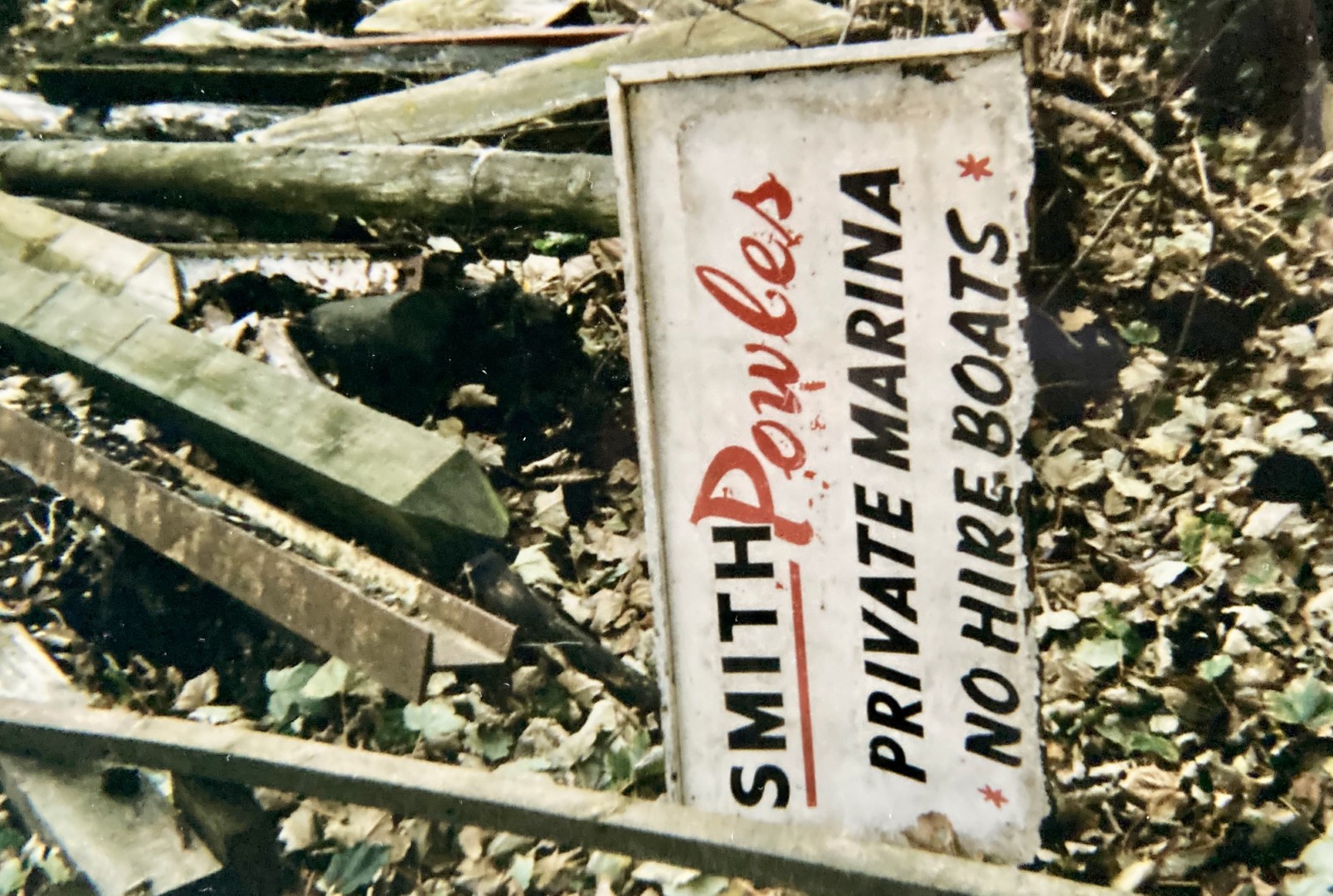
The marina was offered for sale in excess of half a million pounds, but because of the private new homes that now overlooked the boating basin and remains of the yard, planning restrictions meant that the moorings could only be used for private use and not for hire boat activity. Buyer interest evaporated, and in a twist of irony, the Trafford family were able to purchase back the old Powles boat basin and remaining boatyard site 16 years after they had sold it, for just £100,000.
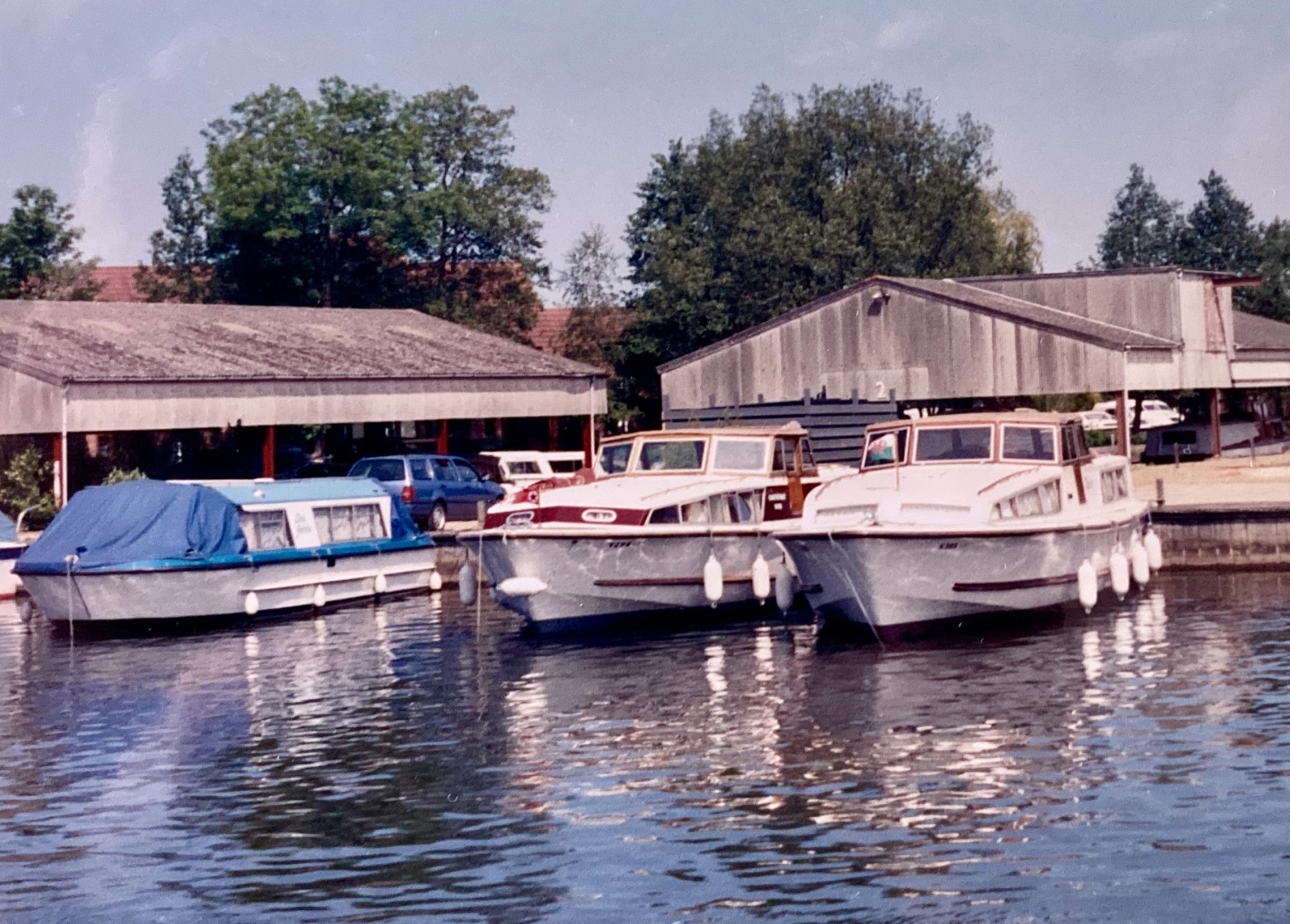
Peter Applegate bought one of the Sheerline moulds and continued to build Sheerlines in the last remaining boatbuilding shed on the Powles site until relocating to Thorpe. Len Funnell bought what was left of the Pennant fleet, and the Herbert Wood yard in Potter Heigham, and in the years following, many of the craft that had once been part of the Powles and Collins hire fleets were sold off to private owners.
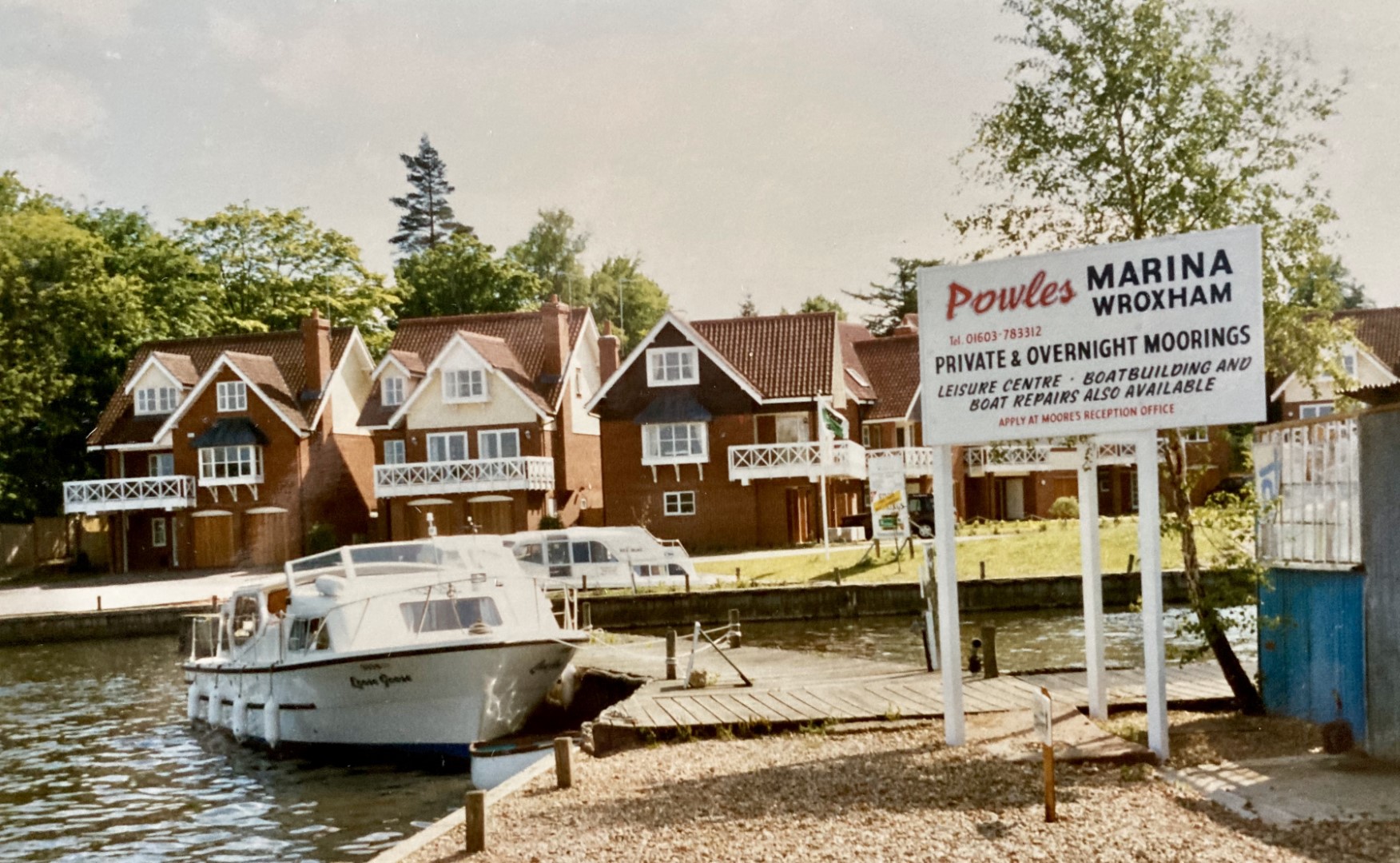
Throughout this period, Moore & Co, under the ownership of the Trafford family, continued to successfully operate their holiday cottages and hire fleet from the Peninsula at the bottom of Staitheway Road, and following the acquisition of the boat basin and remains of the old Collins and Powles yard, set up “Powles Marina” in 1997, for private boat owners. Leslie Trafford had recognised the potential for decent moorings for private boat owners twenty years before, when he set up Wroxham Marina on the north side of the river in a smaller basin previously used by Powles.
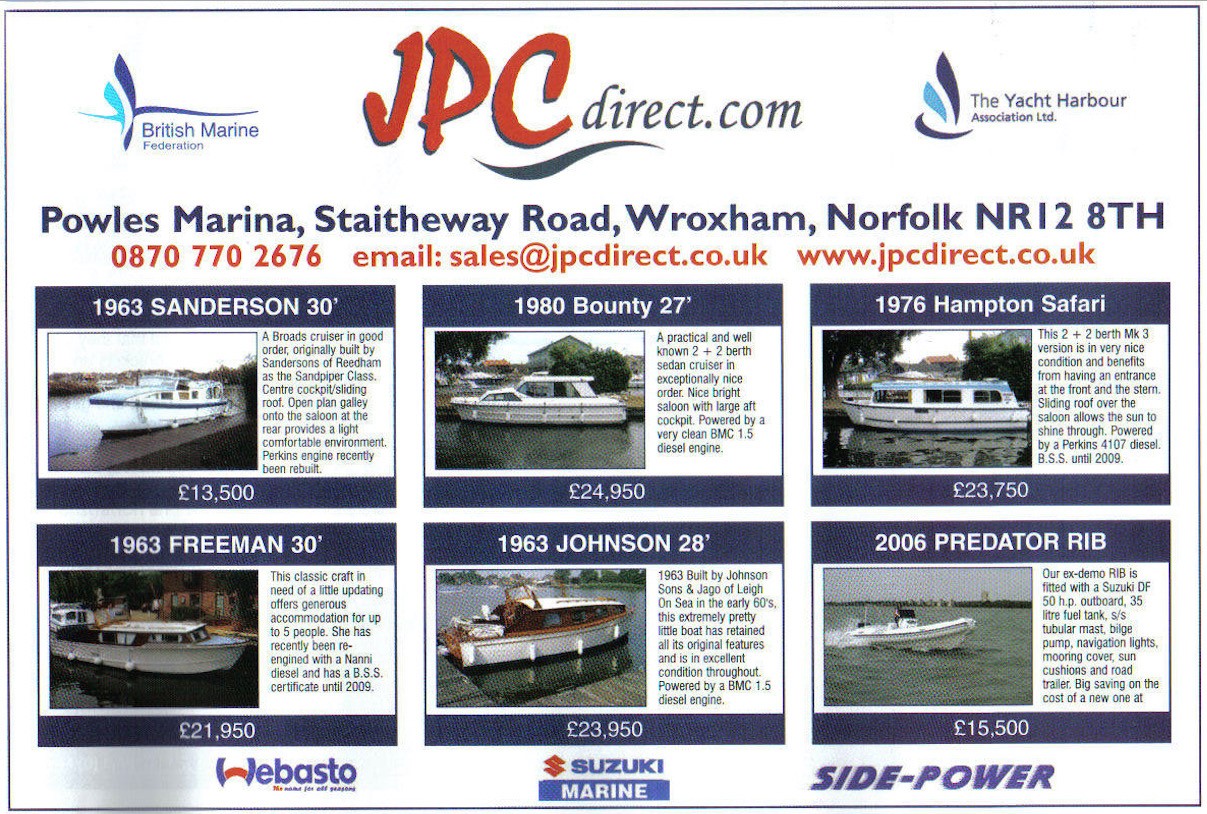
The company itself, Jack Powles & Co Limited, was retained by the Trafford family and re-named JPC Limited in 1984 – its diverse activities included not just the ownership of boats hired through their Moore & Co business; a farm in Georgia USA; but also in later years, the installation and maintenance of Webasto heating and Side Power systems, and boat sales from the Powles Marina.
In May 1988, Leslie Trafford had died whilst at work, at his desk in the boatyard, aged 73, but his children Susan Pollok OBE and Anthony Trafford carried on his various business activities for many years after that, until the Peninsula Cottages were sold in late 2006.
Moores re-located and operated their hire fleet, under the Moore & Co and GoBoating UK brands, briefly from the Powles Marina in 2007, but could not get change of planning to use the large basin for the hire fleet. It also hit issues with plans to extend the workshop.
The marina and fleet of Moore & Co / GoBoatingUK was then sold in 2008 to the Thwaites family who operated Barnes Brinkcraft – as Anthony Trafford wrote at the time:, “Having received an offer earlier this year, it wasn’t an easy decision to come to after so many years in the hire industry, but after a long deliberation, we felt it was time to let go. The new owners are much younger than us, and they will take the business forward”.
After 95 years operating as Alfred Collins & Co Limited, Jack Powles & Co Limited and then JPC Limited, the company was eventually put into voluntary liquidation by the Trafford family in 2020, marking the end of a long history of association of that family and Jack Powles himself in the boatbuilding industry in Wroxham. Jack Powles himself died on 12th May 1984, at the respectable age of 94 years.

Whilst the boatyard, the boatbuilding and key individuals like Jack, Young Jack and Leslie are no longer with us, there remains a proud legacy of Powles craft, lovingly cared for by private owners on the Broads and other places all around the world.
